- Modality: In-person or Online
- Duration: 2 hours
CURSO
Mineral Spectroscopy: From Theory to Practice
Course: Mineral Spectroscopy: From Theory to Practice
Description
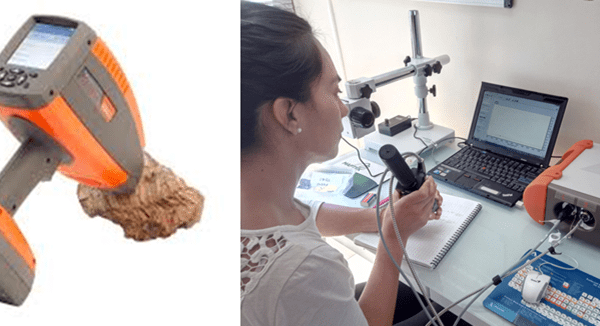
This course is designed to provide professionals and technicians in geology and the mining industry with a solid understanding of spectroscopy. Throughout the course, participants will acquire fundamental knowledge of the principles of spectroscopy and its application in mineral identification and analysis. In addition, good quality assurance and control practices essential for obtaining spectra for accurate interpretation of spectroscopic data will be addressed.
Upon completion of the course, participants will be able to design sampling and measurement programs, considering the scope of the spectroscopic method and metallogenic exploration models. This includes surface sampling techniques, drilling (RC, DDH) and applications in metallurgy.
Course Benefits
- Understand the Fundamentals of Spectroscopy:
Provide participants with a solid foundation in the principles and methods of reflectance spectroscopy. - Identify Common Minerals and Their Mixtures:
Train participants to identify common minerals and their mineral assemblages. - Analyze Spectroscopy Data:
Develop skills to interpret and analyze data obtained from spectroscopy, applying this knowledge to real-life case studies. - Solve Practical Problems:
Apply the acquired knowledge to solve practical problems in mineral exploration and identify detrimental minerals in engineering projects and metallurgical processes.
Topics
1. Spectral Methods:
How does Spectroscopy Work?:
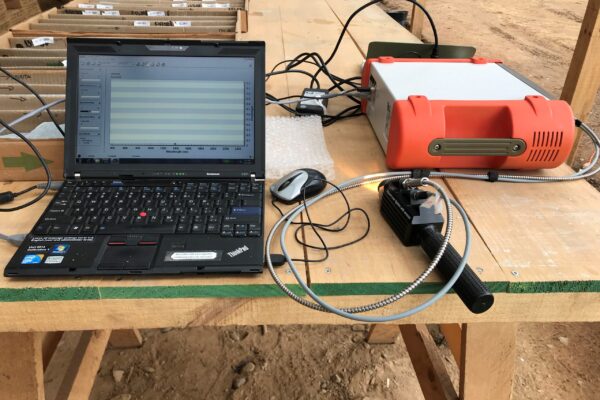
- Description of the spectroscopic process.
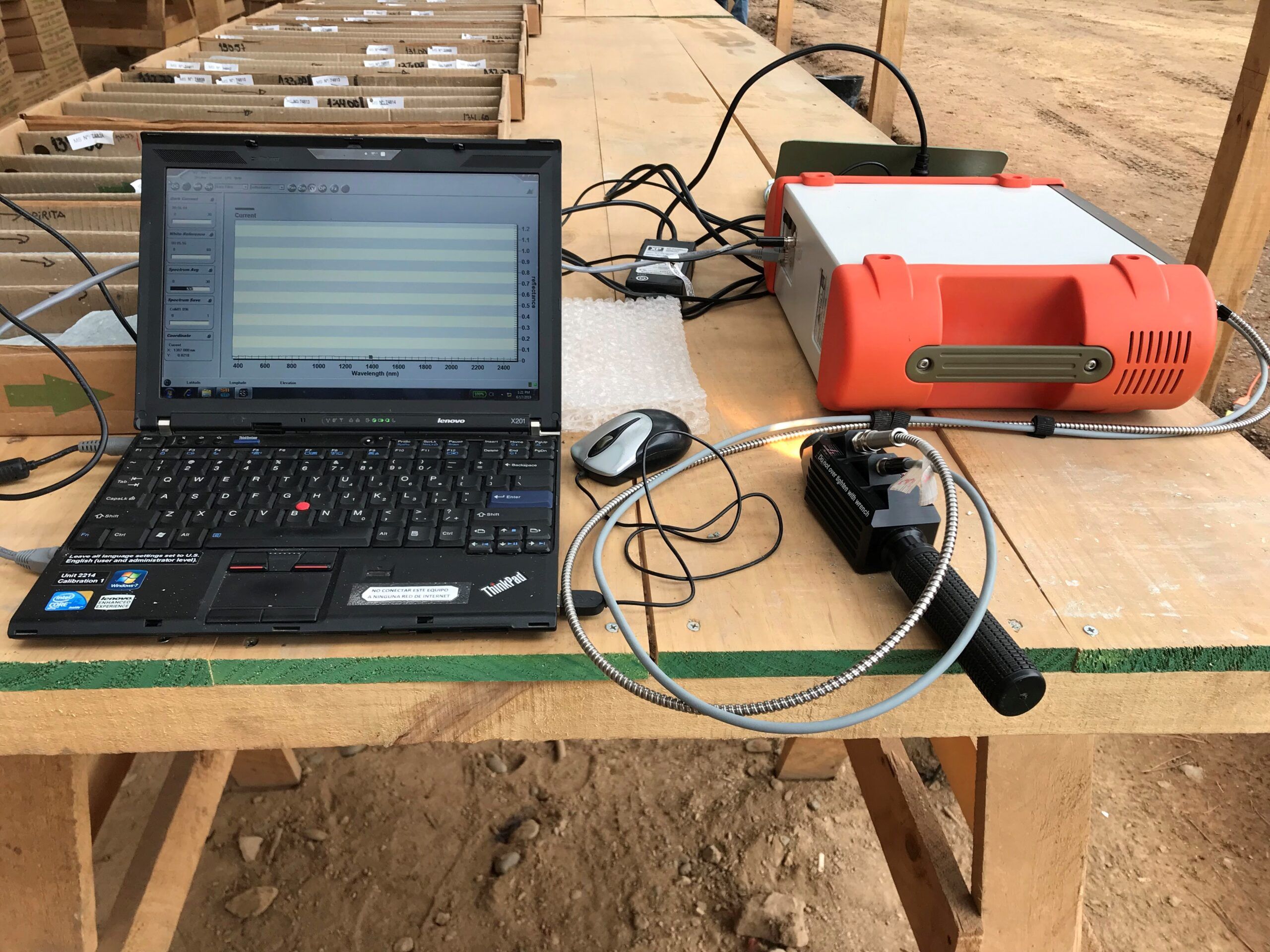
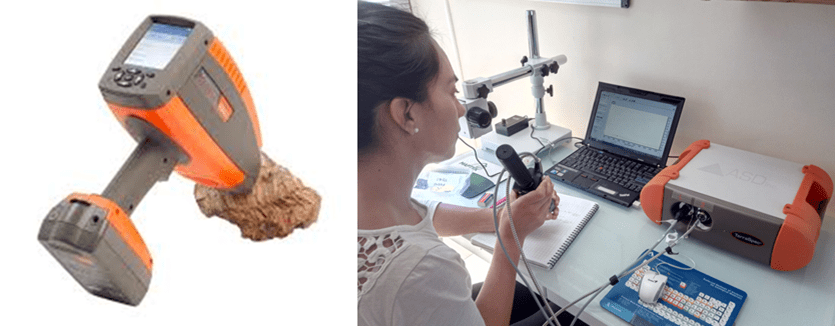
- Instrumentation and techniques used.
2. ASD TerraSpec Spectroscopy Fundamentals:
Introduction to Spectroscopy:
- Basic principles and theory of spectroscopy.
- Applications and relevance of spectroscopy in geology and mineralogy
3. Spectrum Measurement:
Spectrum Measurement Planning:
- Strategies for planning spectroscopic measurements.
- Sample considerations and preparation.
Advantages and Disadvantages of Measuring Different Types of Samples:
- Comparison of measurement techniques.
- Analysis of the limitations and benefits of different samples.
4. Spectra:
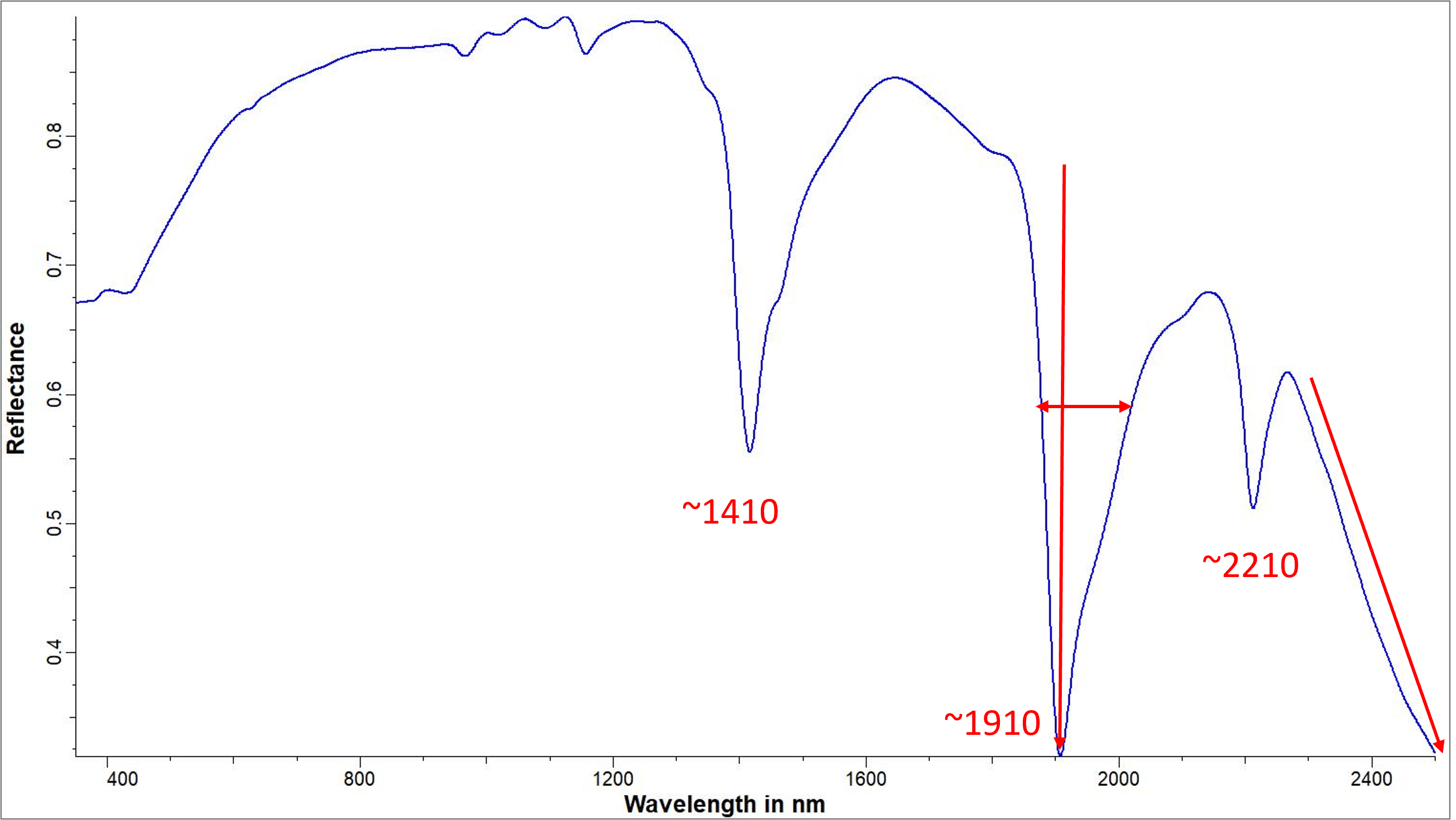
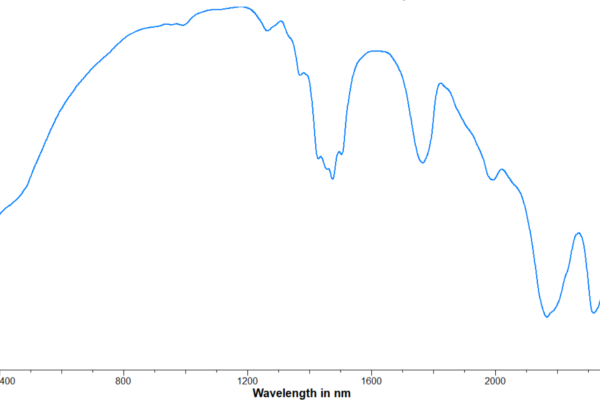
Parts of the Spectrum:
- Breakdown of the different parts of the spectrum.
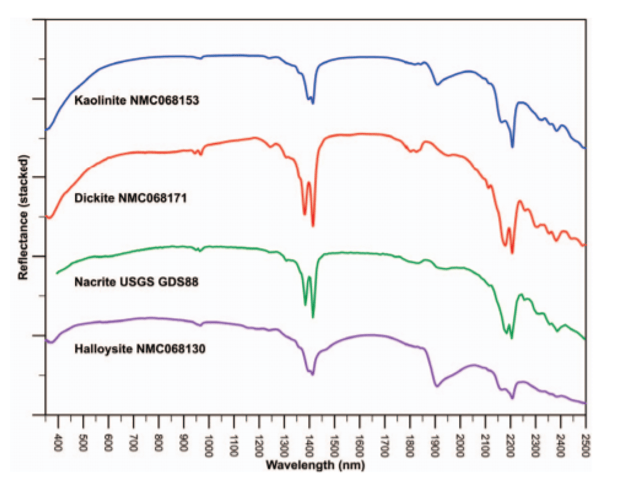
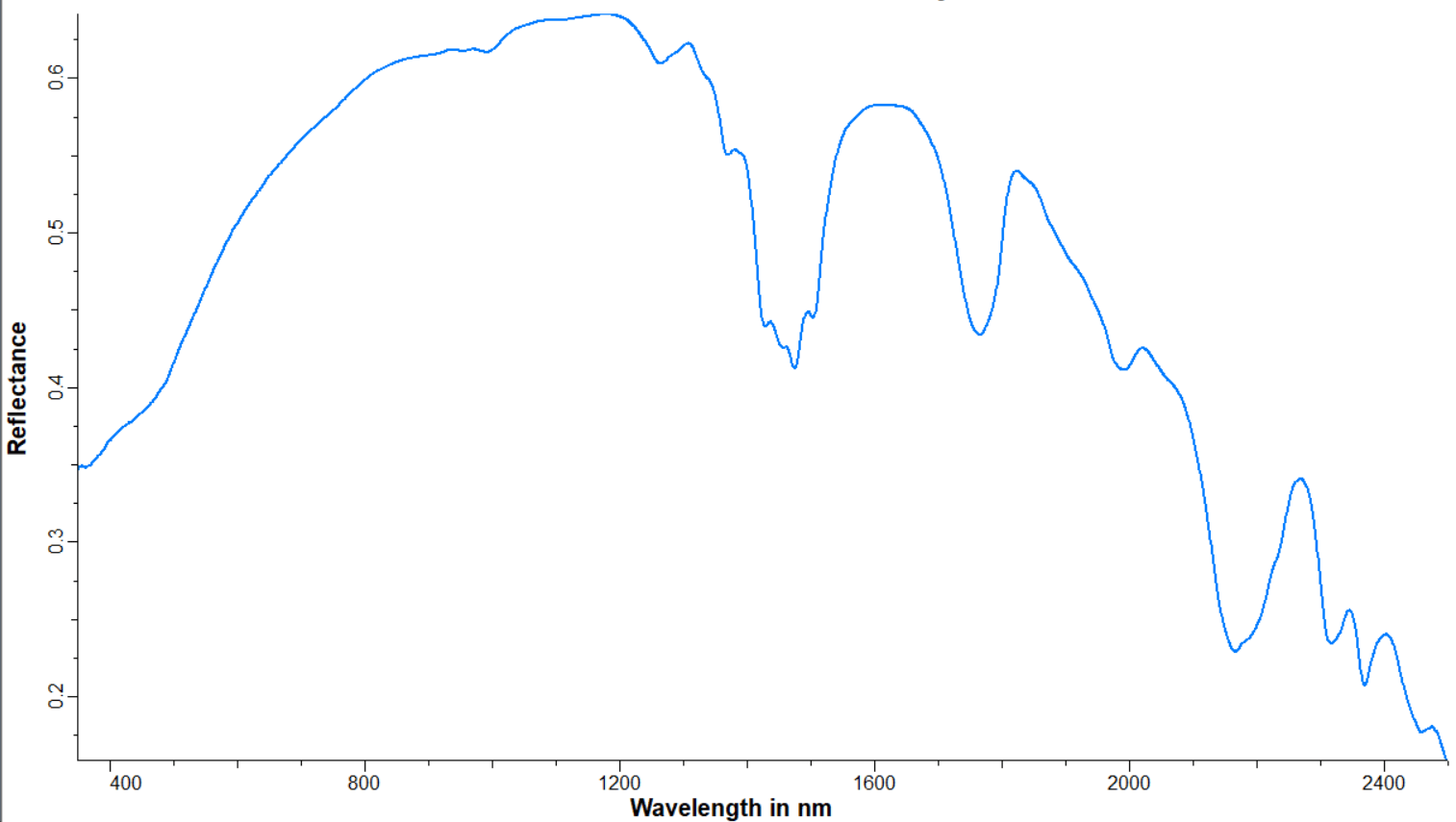
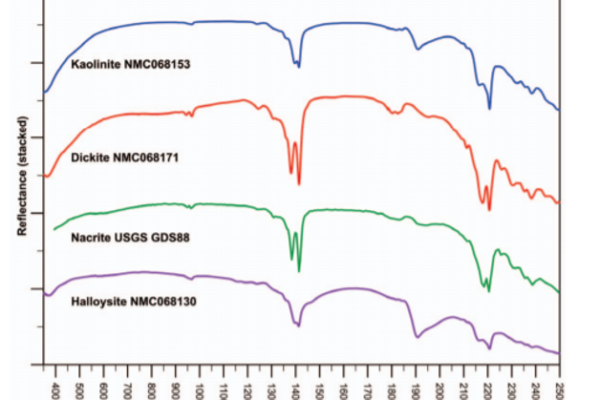
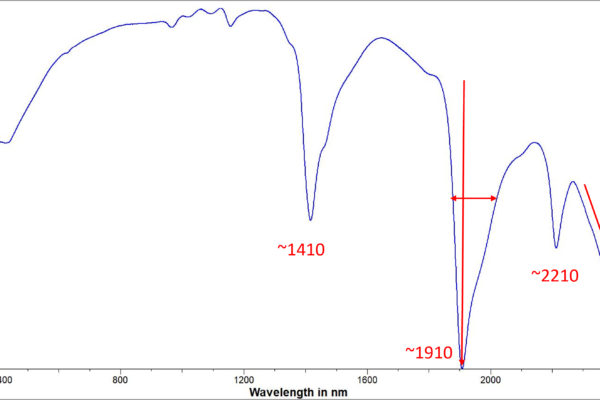
Absorption Bands that Define Minerals:
- Identification of absorption bands and their relationship to chemistry
5. Mineralogy:
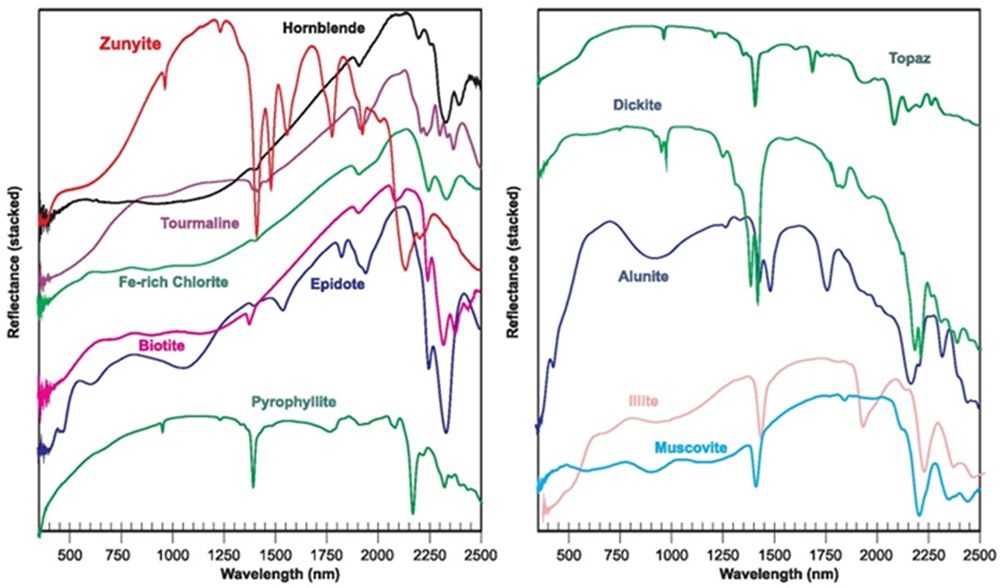
Characteristics and Identification of the Most Common Minerals:
- Characteristic absorption bands for different minerals.
- Obtaining information on crystallinity and composition of some minerals.
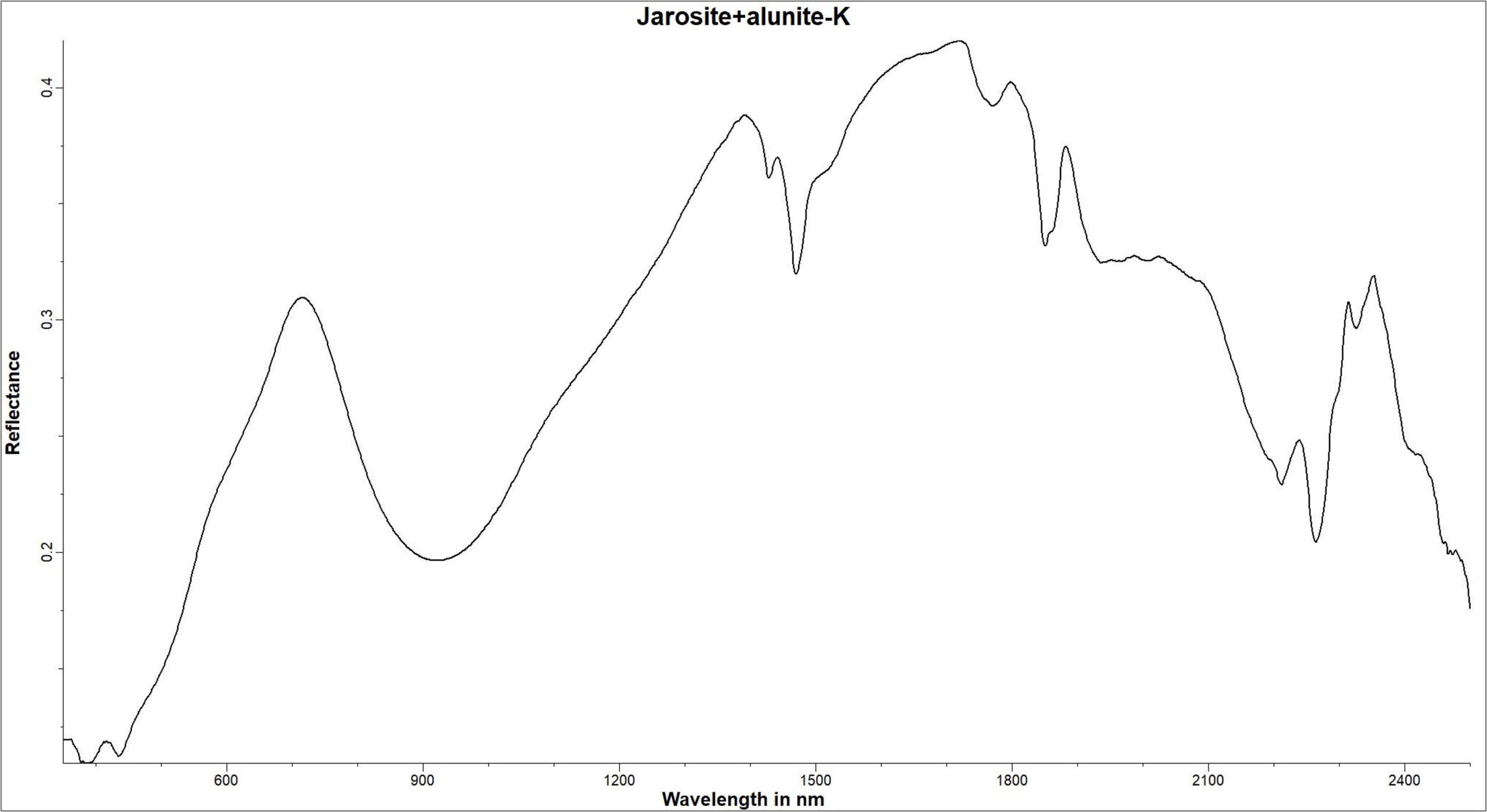
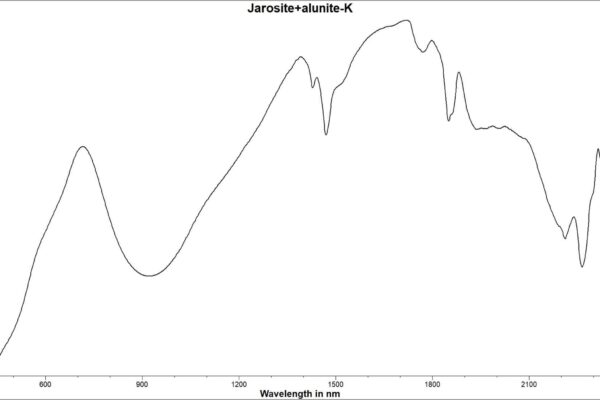
Mixtures of Minerals in the Spectrum:
- Interpretation of composite spectra.
Mineral Associations and Geology:
- Mineralogical associations linked to a geological context.
6. Spectroscopy Data:
Reception and Interpretation of Spectroscopy Results:
Meaning and interpretation of spectroscopy results: scalars, order of minerals, etc.
Designed for you, if you are...
Geologists, geology students, and technical professionals involved in the mining industry are interested in learning about the use and scope of spectroscopy.
Methodology
Theoretical expository classes (in person or virtual), lasting two (2) hours.
Basic Knowledge
- Geology Fundamentals:
Basic knowledge of geology, including the rock formation processes and classification of minerals and rocks. - Basic Chemistry and Physics:
Understanding of the basic principles of chemistry and physics, especially as they relate to the composition, properties of minerals, and basic concepts of mineral optics. - Mineralogy Concepts:
Familiar with common alteration minerals. - Mineral Exploration Experience:
Previous experience in mineral exploration or mining-related work can be helpful. - Basic Knowledge of Spectroscopy:
It is not strictly necessary, but having a basic idea of spectroscopy and its use in mineral identification can be beneficial.
The Benefits of Attending
- At the end of the course, a certificate will be issued confirming participation.
- You will be able to learn how to prepare samples for a spectroscopy study.
- You will learn how to plan a spectroscopy study according to its objective.
- You will obtain skills to use the results of spectroscopy studies as a valuable tool for your project.
- You will understand the actual scope of a spectroscopy study.
Cost and Payment Methods
For more information on costs, payment methods and other queries, please contact us.